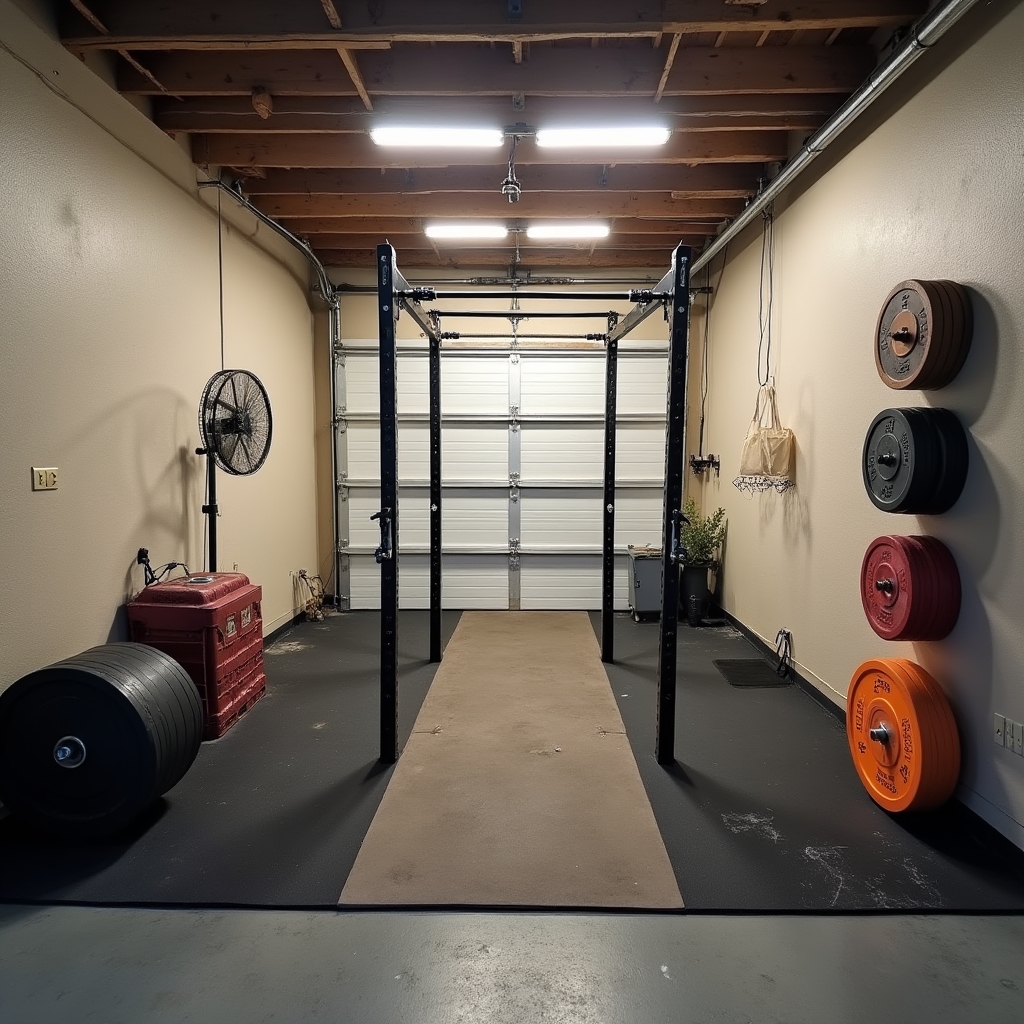
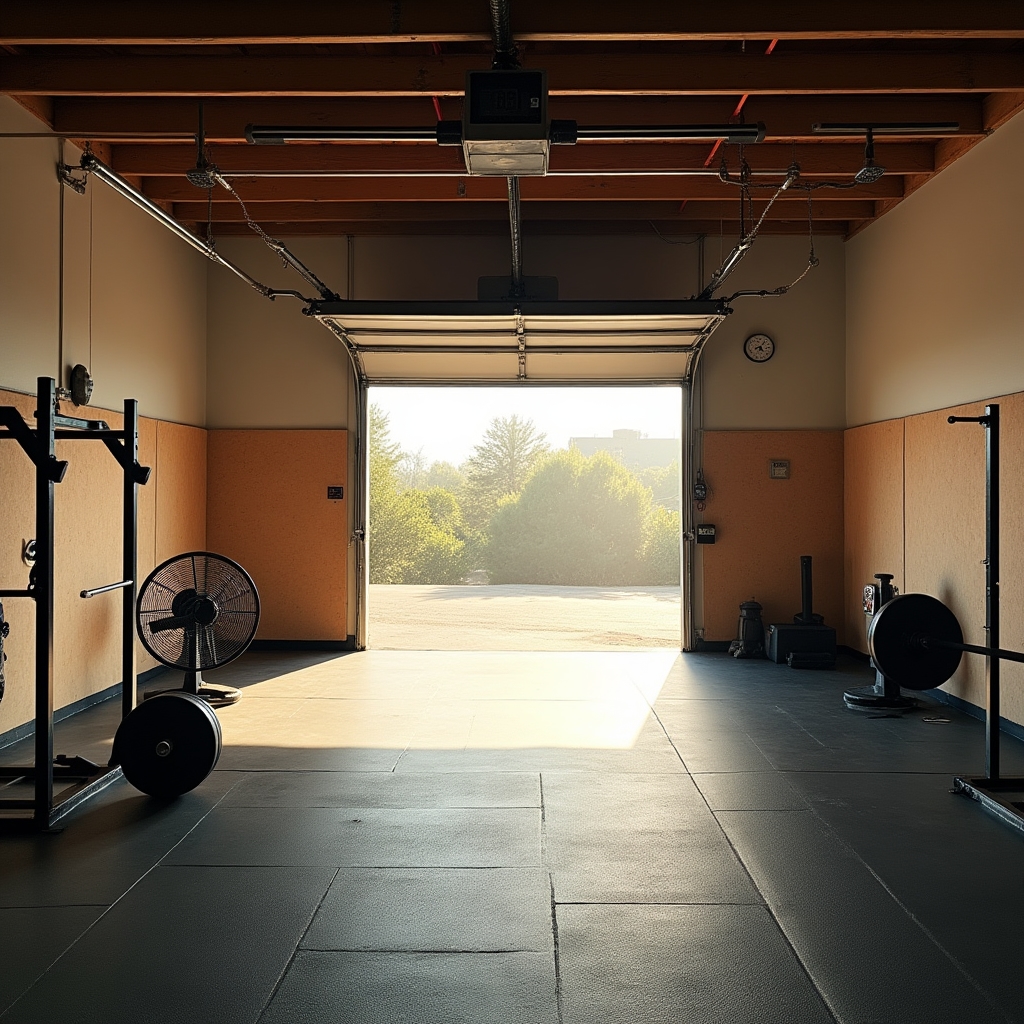
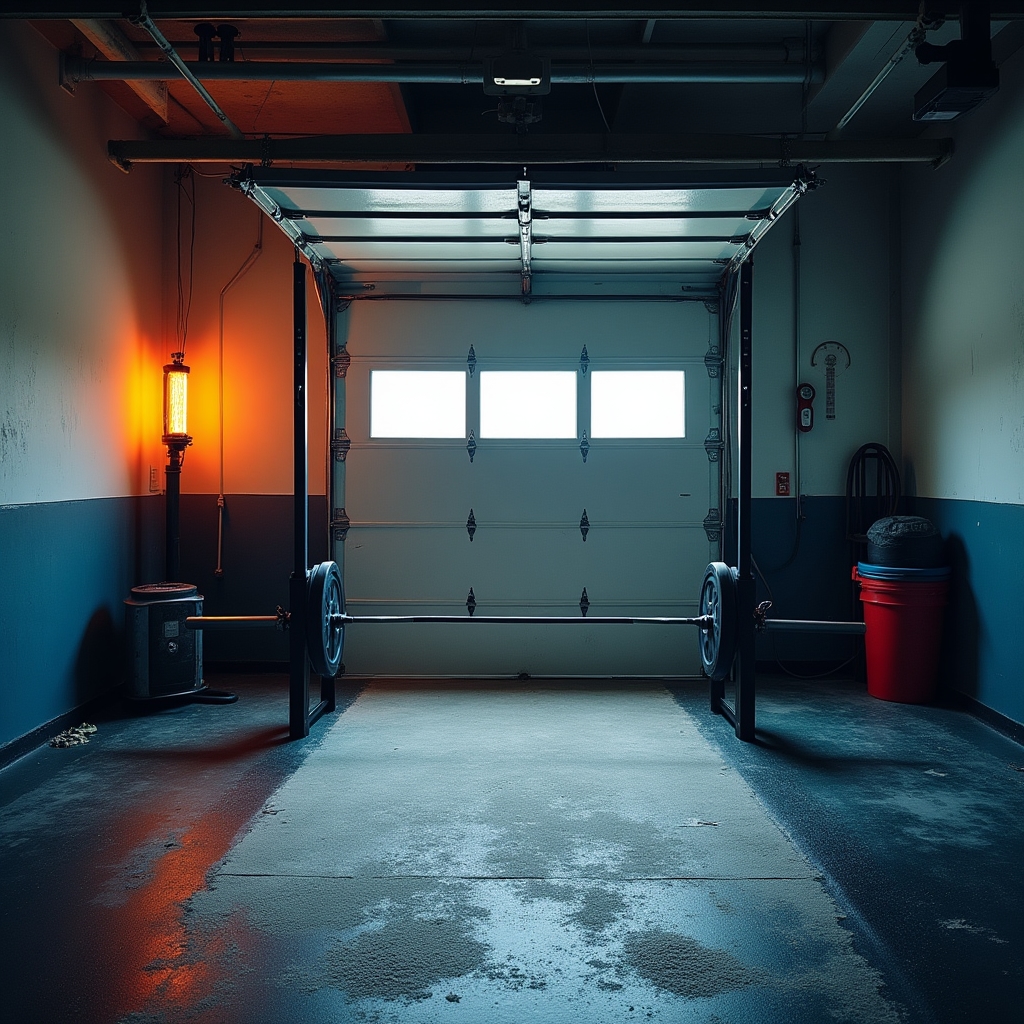
The psychological challenge of cold weather training is real. Walking into a 15-degree garage at 6am takes a specific kind of commitment. The physical challenges are manageable with the right approach.
Start the heater 20 to 25 minutes before you plan to lift. A 1500W electric space heater raises the temperature in a sealed single-car garage by 15 to 20 degrees in that time. You're not aiming for 70 degrees. You're aiming for above freezing and tolerable, which is around 40 to 45 degrees for most people once they're moving.
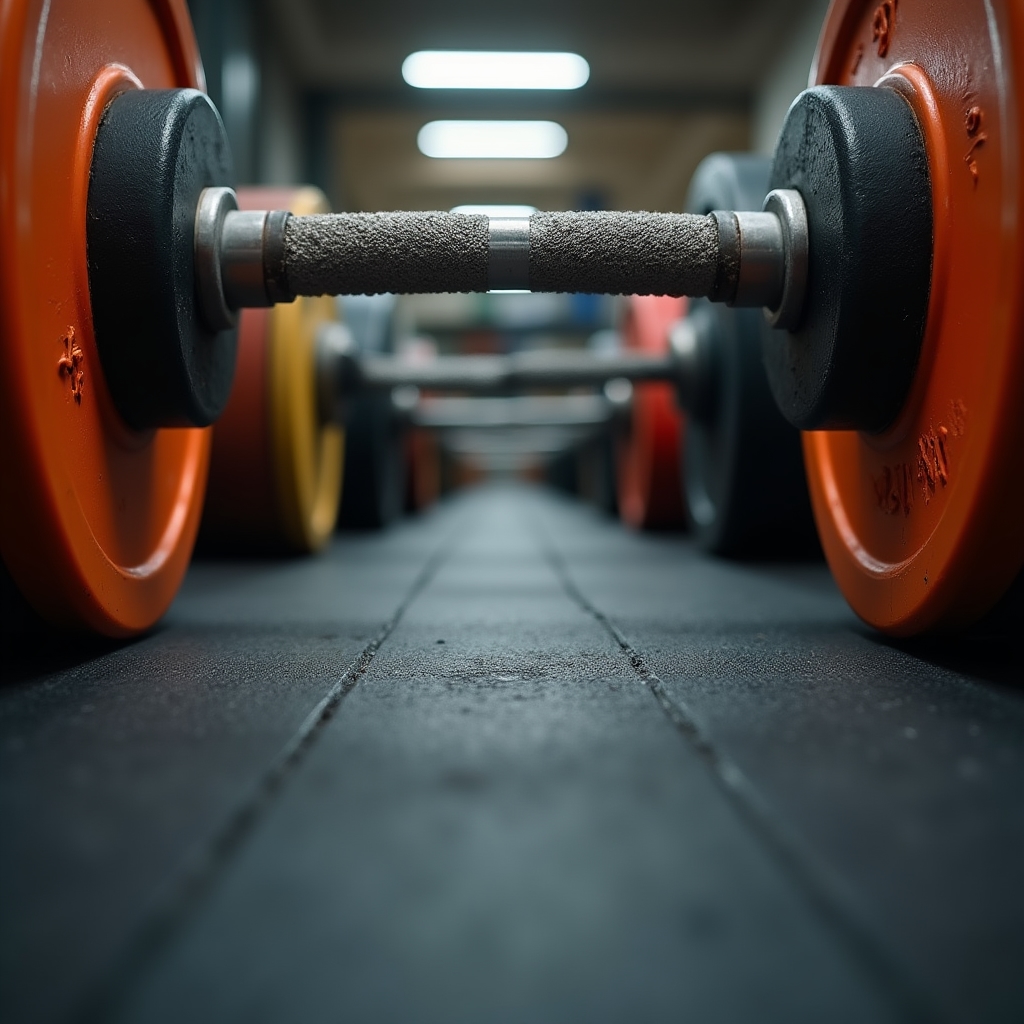
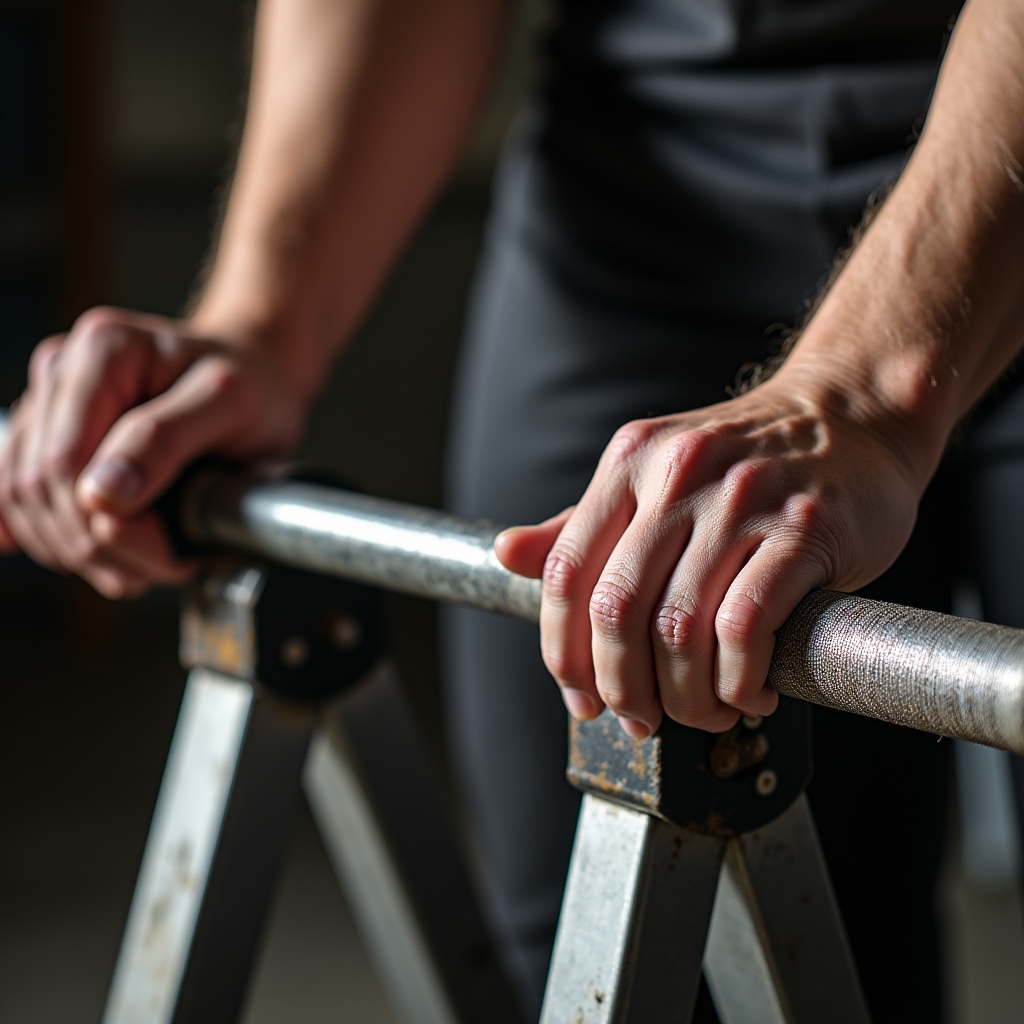
Cold metal affects your grip. Bar knurling that feels sharp in summer feels almost smooth in winter because your hands are less sensitive. Wear thin lifting gloves for the first 10 minutes of your session, then remove them once your hands are warm.
Your warm-up needs to be longer. Cold muscles and connective tissue don't respond well to heavy loading. Add 5 to 10 minutes of general movement before your first working set. Jump rope, light kettlebell swings, bodyweight squats. Get the blood moving before you put weight on the bar.
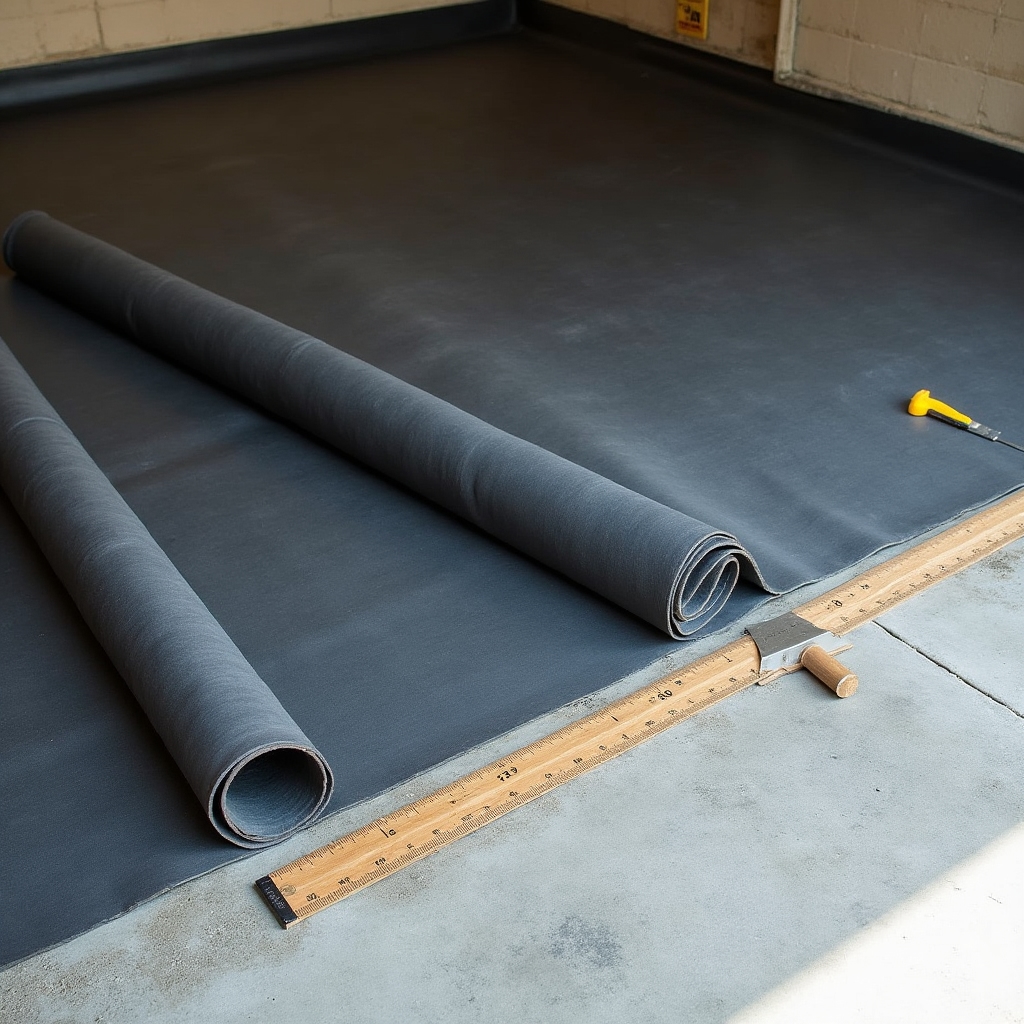
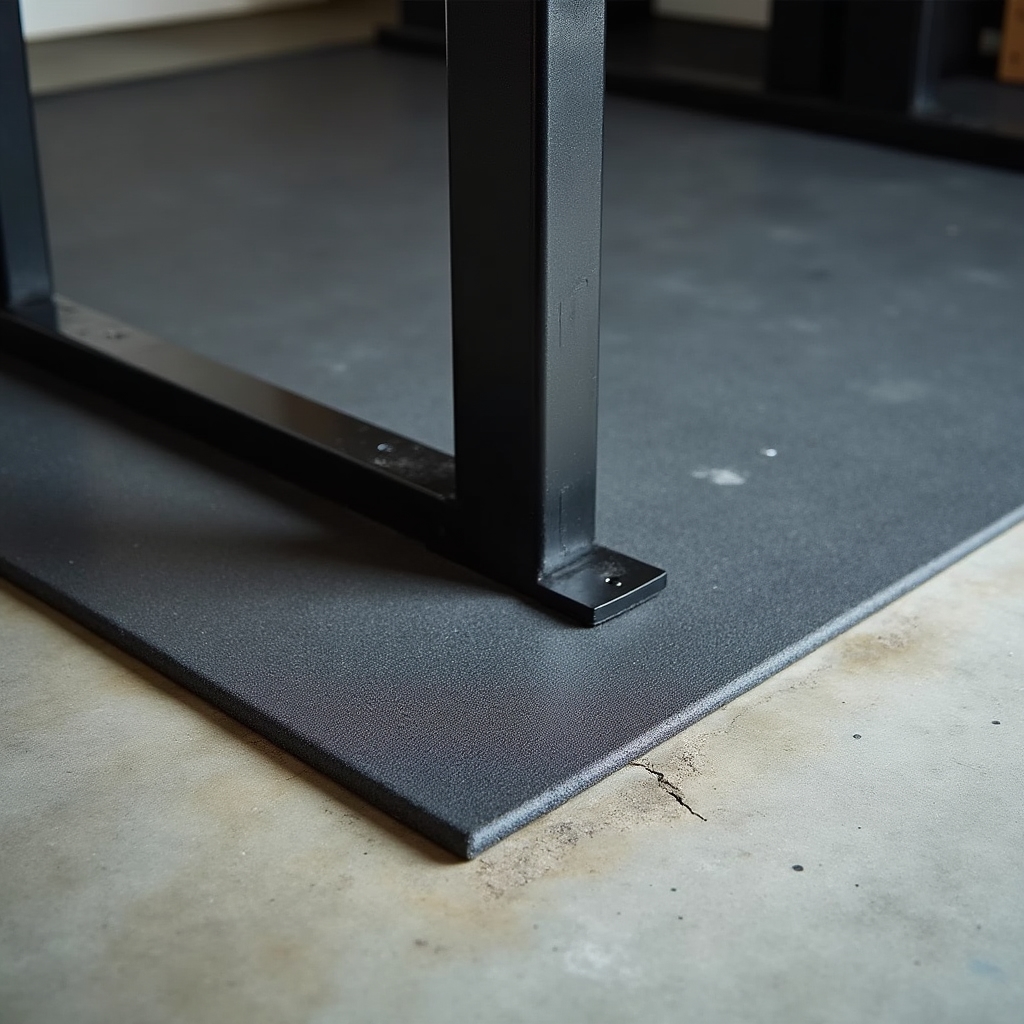
Rubber flooring is essential in cold climates for a reason beyond impact absorption. Concrete conducts cold directly into your feet and legs. Standing on rubber for an hour-long session is meaningfully more comfortable than standing on bare concrete. Your core temperature stays higher.
Don't skip sessions because of weather. The gap between a cold garage and a warm couch is much smaller than the gap created by six weeks of inconsistent training. Commit to the schedule, make the space functional, and the cold becomes background noise within a few weeks.